Why People Don't Watch Movies Like Digger
Digger had Tom Cruise, an Oscar-winning director and a $160 million budget. It opened to $8 million. Here's what it reveals about why people skip big original films.
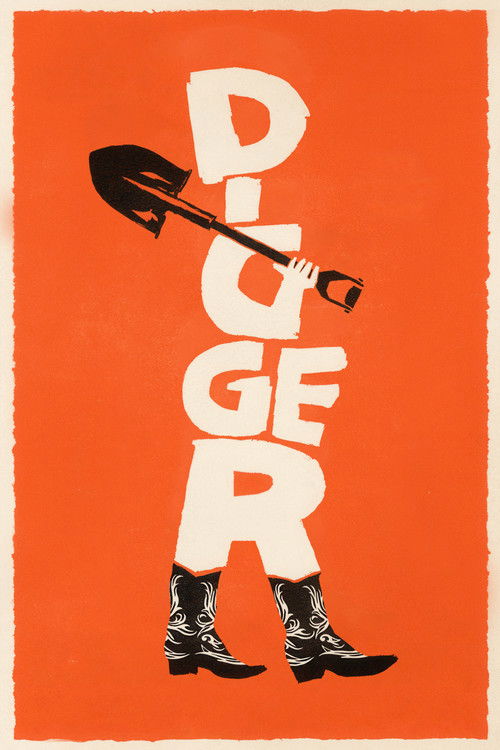
In October 2026, Digger had everything that used to guarantee a hit. Tom Cruise was the lead. Alejandro G. Iñárritu, a two-time Best Director winner, directed it. The cast included Sandra Hüller, John Goodman and Jesse Plemons, and it had a royal premiere in London.
It opened to $8 million in the US, Cruise's weakest start since 2007. It cost a reported $160 to $180 million to make, plus around $100 million to market, and Variety's sources said it was heading for a loss of about $245 million. That put it next to John Carter and The Marvels among the most expensive flops ever made.
Digger wasn't a one-off. Big, original, director-led films keep hitting the same wall: Megalopolis in 2024, Mickey 17 and The Smashing Machine in 2025. The reasons have less to do with any single film and more to do with how people decide what's worth a trip to the cinema.
Nobody Pays to Feel Guilty
People choose entertainment to change how they feel. A night out is meant to thrill, comfort or distract. Digger was a satire about an oil billionaire whose drilling causes an ecological disaster - this everybody knows, but is it enough to get audience intrigued or curious enough so that they make their way to the cinemas ?
Digger was a bold idea for a film. But by October 2026, eight of the top 10 films at the US box office that year were based on stories audiences already knew. People like knowing what they’re getting. As Ben Affleck put it, “You cannot do something interesting without taking a big swing.” The catch is that most big swings miss, and only a few land well enough to do decent business.
Stars Sell a Face, Not a Performance
Audiences feel like they know their favourite stars, and that bond runs through a face they've watched for years. Digger buried Cruise under so much prosthetic make-up that it could have been anyone. It also flipped his usual role. In Mission: Impossible he saves the world. In Digger he's the man who wrecks it.
Dwayne Johnson had the same problem with The Smashing Machine. Unrecognisable as MMA fighter Mark Kerr, he opened to $5.9 million, the lowest wide opening of his career. When a star disappears into a role, the fans who came for the star tend to stay away.
People Avoid Bets They Can't Read
Every ticket is a small bet. A sequel is a bet with visible odds, because you roughly know what you'll get. An original film is a coin you can't see, especially when the trailers won't say what kind of film it is.
Digger's marketing hid the premise to protect a twist, then leaned on Cruise's transformation. When reviews split between "masterpiece" and "mess", Warner Bros ran a "Decide for Yourself" campaign. That passed the uncertainty straight back to the people it needed to reassure.
Genre Promises a Feeling
The originals that break out usually promise a specific feeling. Sinners and Weapons, both 2025 hits, were new stories, but horror told you exactly what kind of night you were buying. Weapons cost $38 million and made around $269 million worldwide.
Digger was sold as "a comedy of catastrophic proportions", and plenty of viewers didn't find it funny. Opening-night audiences gave it a C+ CinemaScore. When a film breaks the promise it was sold on, word of mouth finishes it off.
Waiting Feels Free
During the pandemic, the gap between a film's cinema release and its home release shrank from around 90 days to as little as 17 for some films. Audiences learned fast. If a film will be on your TV in a month or two, skipping the cinema doesn't feel like missing out. It feels like waiting.
The cost of going makes waiting even easier. The average US ticket was about $16 in 2025, before food, travel or a babysitter. People save that money for films that feel like an event, and an unfamiliar original rarely does.
People Go in Groups
Going to the cinema is partly social. Fans of a book, a franchise or a star go together, and they forgive a mediocre film because the night is about the group. Verity, a Colleen Hoover adaptation that opened the same weekend as Digger, got the same C+ CinemaScore and still opened to $32.6 million on the strength of its readers.
Digger's potential audience was spread across film buffs, Cruise fans and people who care about climate. Individuals deliberate. Groups just go.
What Films Like Digger Need
Audiences don't hate originality. They avoid guilt they didn't ask for, uncertainty they can't price and stars they can't recognise. The originals that work offer the opposite: a feeling you can name, a reason to go now, a crowd to go with, and a budget that matches the audience it can realistically reach.
Films like Digger often find their audience later, at home. Mickey 17 flopped in cinemas, then spent weeks in HBO Max's top 10. People do watch movies like Digger. They just wait.
Sources
The Digger disaster: what an epic movie flop means for Tom Cruise and Hollywood (The Guardian)
Fall box office slows with two flops (Deseret News, citing Variety)
Digger bombs for Warner Bros, Verity takes No. 1 (Associated Press)
Digger stands to lose jaw-dropping sum (The Daily Beast)
Digger faces box office loss (Business Today)
Smashing Machine box office explained (TheWrap)
Movie theaters have staged a box office comeback (Variety)
Box office for original films in 2025 (Blex Media)
How much going to the movies cost over the years (MoneyLion, citing Cinemark)
A 2025 sci-fi flop is a must-watch on HBO Max (Looper)